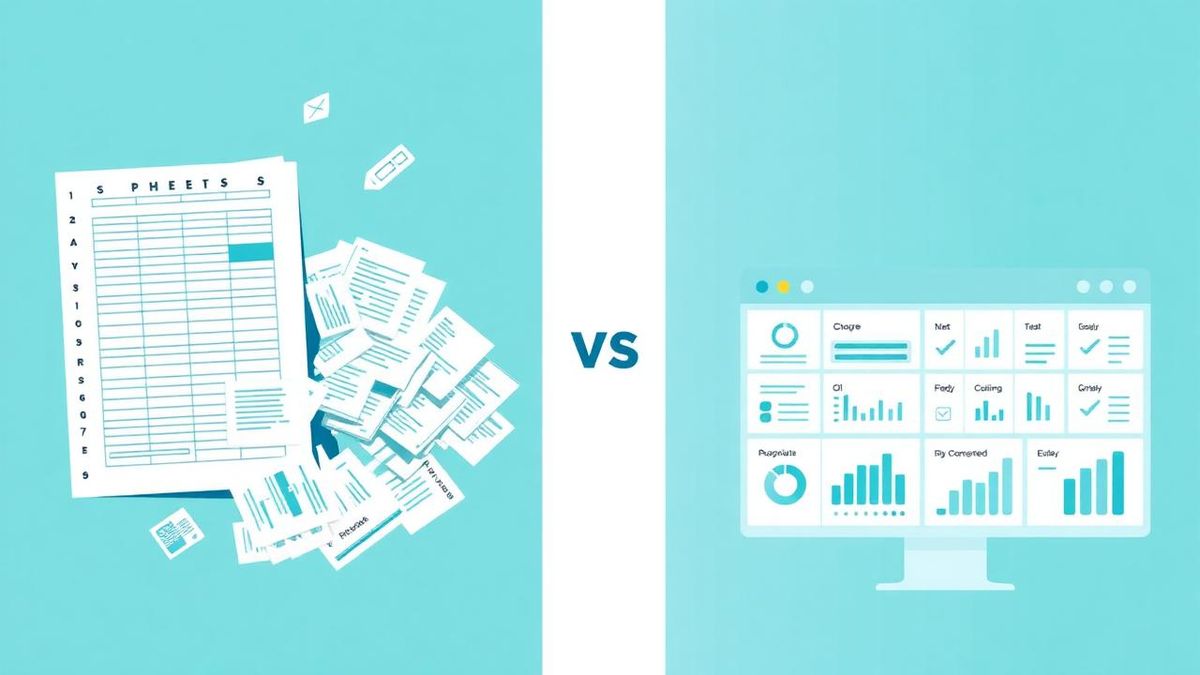
For many organizations pursuing ISO certification, one of the first questions is not which standard to implement — but how to manage it.
Should you build your ISO management system using spreadsheets and templates? Or should you implement a dedicated compliance platform?
The reality is that organizations achieve ISO certification using both approaches. The right choice often depends on budget, organizational complexity, and long-term objectives.
This article explores the two common routes to ISO certification, outlining the advantages and potential risks of each.
The Spreadsheet Approach
For smaller organizations or startups, spreadsheets and document templates are often the most accessible starting point.
Many companies manage their ISO system using:
- Spreadsheet-based risk registers
- Document templates stored in shared folders
- Manual tracking of corrective actions
- Email-based communication for updates
This approach can work, particularly when:
- The organization is small
- There is only one ISO standard involved
- A single individual is managing compliance
- Budget is extremely limited
In fact, many companies successfully achieve certification this way.
Advantages of the Spreadsheet Approach
- Low initial cost — Spreadsheets and templates can be created internally or downloaded at little or no cost.
- Flexibility — Teams can adapt documents to their specific processes without needing to learn new software.
- Accessible tools — Most organizations are already familiar with tools like Excel, Google Sheets, or shared drives.
Risks of Managing ISO Manually
While spreadsheets are a viable option, they also introduce challenges as organizations grow or compliance requirements expand. Common issues include:
- Version control problems — Multiple document versions can circulate across folders and email chains.
- Manual tracking — Corrective actions, audits, and risks often rely on individuals remembering to update spreadsheets.
- Audit preparation workload — Evidence gathering can become time-consuming before each audit.
- Limited visibility — Leadership teams may struggle to gain a clear overview of compliance performance.
These risks increase as organizations add multiple standards, departments, or locations.
The Structured System Approach
The alternative route is to manage ISO compliance using a structured management system platform.
These systems are designed specifically to support ISO management and typically include:
- Centralized document control
- Corrective action workflows
- Risk registers
- Audit management tools
- Real-time reporting dashboards
Rather than relying on manual updates, many processes become automated or structured.
Advantages of a Structured System
- Improved organization — All compliance records, documents, and evidence are stored in one place.
- Better audit readiness — Information is easier to retrieve during internal and external audits.
- Reduced administrative burden — Automated reminders and workflows reduce manual tracking.
- Scalability — Structured systems make it easier to manage multiple ISO standards or sites.
The Hidden Cost Consideration
One of the most common misconceptions is that spreadsheets are always the cheaper option.
While they have little direct cost, they often require significant staff time to maintain. Activities such as:
- Updating registers
- Chasing corrective actions
- Preparing audit evidence
- Producing management reports
can quickly accumulate many hours each year.
For organizations with dedicated compliance staff, this time has a measurable cost.
However, it's also important to recognize that budget constraints are real, particularly for smaller businesses. For some organizations, spreadsheets may be the only feasible starting point.
Choosing the Right Approach
There is no single correct route to ISO certification. The most suitable option depends on factors such as:
- Organizational size
- Number of standards being managed
- Available compliance resources
- Budget
- Long-term growth plans
Spreadsheets may be suitable if:
- You are a small organization
- Only managing one ISO standard
- Compliance is handled by one person
- Budgets are very limited
Structured systems may be beneficial if:
- You manage multiple standards
- Your organization is growing
- Multiple departments contribute to compliance
- You want greater visibility and automation
The Key Question
Ultimately, the decision is less about whether spreadsheets work — and more about how sustainable they are as your organization grows.
Many organizations begin with spreadsheets and later move to a structured system as their compliance requirements expand.
Understanding the strengths and limitations of each approach helps organizations make more informed decisions about their ISO journey.